
Planning an event involves a lot of moving parts, and one of the most common questions we’re asked is: “How many toilets do I need for my event?”
The answer depends on several factors, including the number of guests, how long the event lasts and whether alcohol is being served. This guide breaks it down simply to help you plan with confidence.
If you’re organising a wedding, festival, party or public event, this guide will give you a reliable starting point.
Quick rule of thumb
As a general guide:
- Up to 4 hours: 1 toilet per 100 people
- 4–8 hours: 1 toilet per 75 people
- Over 8 hours: 1 toilet per 60 people
This assumes no alcohol and average usage.
For tailored advice, you can also use our toilet calculator or speak to our team.
What affects how many toilets you need?
Number of guests
The more people attending, the more toilets you’ll need. Always plan for peak attendance rather than average numbers.
Event duration
Longer events naturally increase toilet usage. Evening events tend to require more facilities than short daytime gatherings.
Alcohol being served
Alcohol significantly increases toilet use. As a rule, add 15–25% more toilets if alcohol is available.
Gender split
Events with a higher proportion of female guests usually require more cubicles, as usage time tends to be longer.
Accessibility
Public-facing events should always include at least one disabled toilet.
Do I need urinals?
Adding urinals can significantly reduce queues, especially at busy events or where there is a high proportion of male guests.
What type of toilets should I hire?
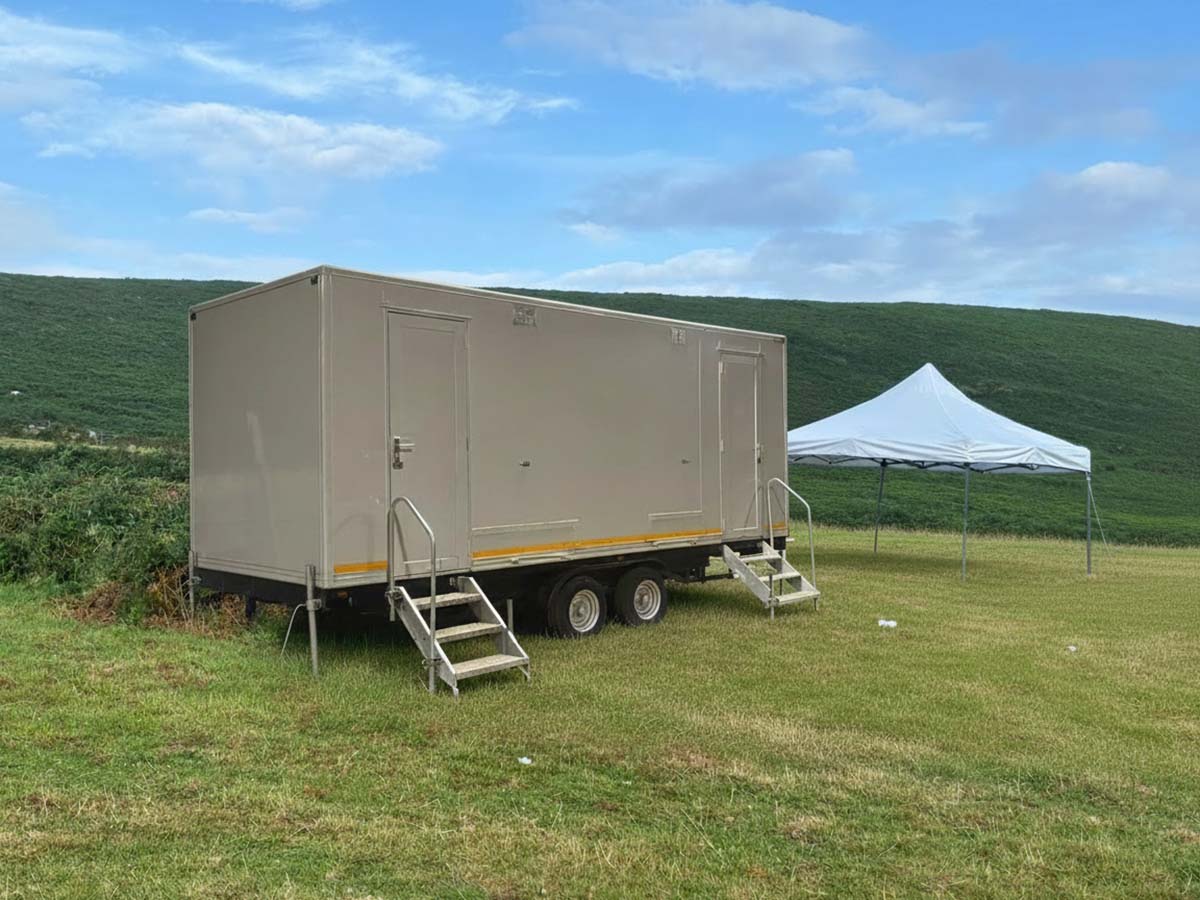
- Portable toilets: suitable for most events
- Luxury toilet units: ideal for weddings and corporate events
- Hand wash facilities: recommended for hygiene at larger events
FAQs
How many toilets do I need for 100 guests?
For a 4-hour event, around 1 toilet per 100 guests is typical. Add more for alcohol or longer durations.
Do I need an accessible toilet?
Yes, accessible toilets should be provided at most public events.
Can toilets be serviced during the event?
Yes, for longer events we can arrange waste removal and servicing during the hire period.